



In my conversations with European defense startup founders and operators, real-world system testing has constantly surfaced as a rate limiter to our rearmament ambitions. One founder who’d spent five years building one-way attack aircraft put it bluntly: “We’ve got a good background in space and ballistics in Europe,” he said. “The problem has always been the way you test.”
Consider the UK’s cheap long-range cruise missile programme for Ukraine, Project Brakestop. After evaluating test sites as far as Northern Australia, the project ended up in Northern Scotland after what was described to me as a “nightmare process”. The same founder’s new aircraft company will instead be flight-testing in South America for export back into Europe. “It’s just embarrassing”, he said.
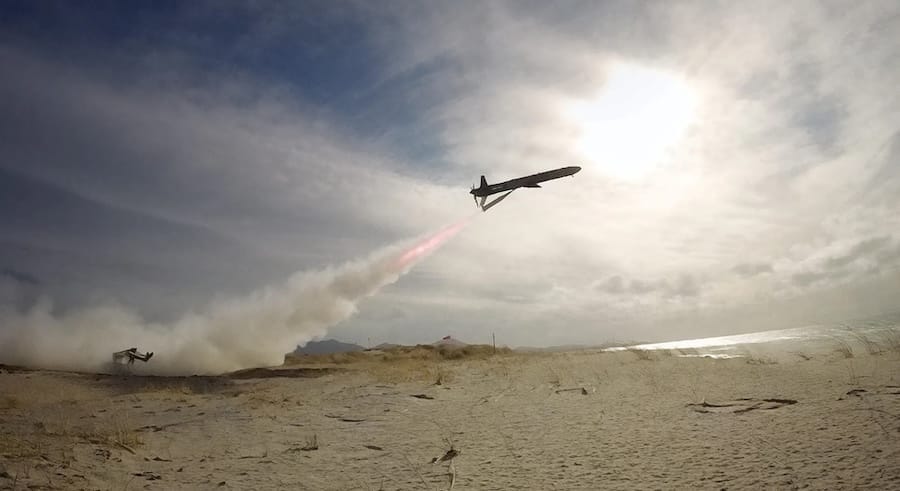
Meanwhile, this month the US Army opened five ranges for US and allied missile, drone and anti-drone companies that are yet to win a procurement contract. The ambition is to cut significant red tape and have them testing on the range within 30 days. Today, however, European startups face a Catch-22: governments demand rigorous test data before awarding a contract, while the ranges and specialist support needed to produce it generally become available only after one is signed.
A range is more than open space
A crowded continental airspace accounts for some of the delay because high-risk or kinetic trials naturally require segregation and approval. But finding open land is only the beginning of the challenge. To make a testing campaign worthwhile, one needs realistic targets, telemetry, permission to jam radio signals, explosives handling, specialist operators and a data package that is acceptable to the end government buyer. To illustrate this point, one defense founder described the process of finding and booking sites as a full-time job. Another said that any engineering changes could alter the import and export paperwork, thereby resetting the clock.
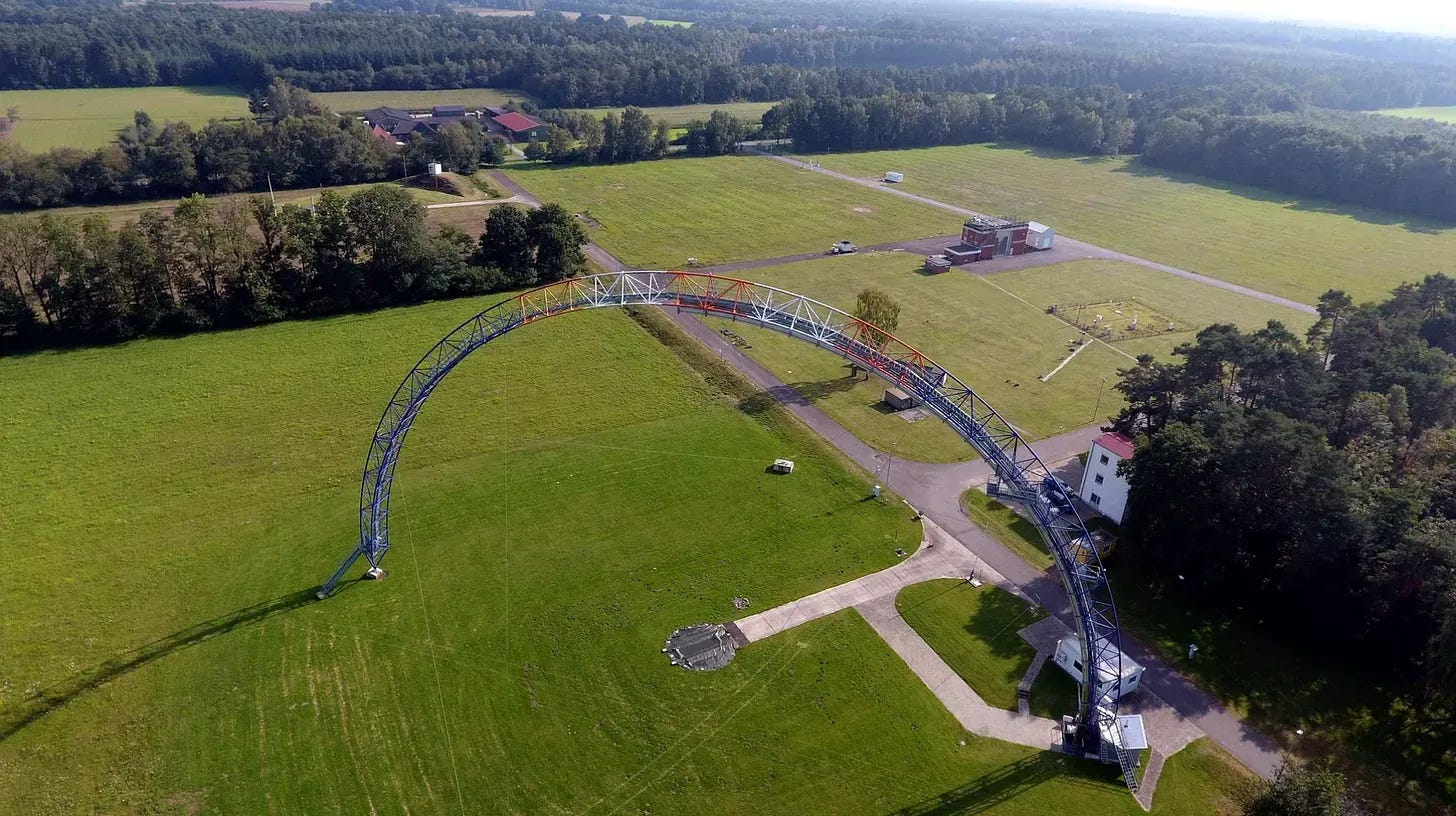
Even if the appropriately equipped testing site exists, it might not be available in a practical window. Germany’s WTD 91 range is the largest fully instrumented ground firing range in Western Europe fit for testing weapons, missiles and drones. While it’s officially open to external customers, a founder who recently solicited an open slot was offered one in the fourth quarter of 2029. By then, his product will have changed many times, if not rendered obsolete, by the threats it was designed to defeat.
NATO’s innovation accelerator, DIANA, was meant to address this issue. But while the network claims over 200 test centres across 28 allied countries, a GNSS-free navigation startup was offered three sites worldwide that could support the flight it needed. Canada would cost more than $120,000 for a few flights. Back home in Britain, the cost is much lower at £7,000 to £9,000 a day, but range-imposed limits on distance, altitude or terrain would make the results entirely uninformative. A French drone developer encountered a different version of the same problem when it was required to fit satellite navigation to an aircraft designed to operate without it. So the companies went to Ukraine instead.
And the pain continues…
Additional European testing headaches include procuring pilot certification, producing risk assessments, gaining explosives permits and month-long waits for access to military-grade communication frequencies. Moving defense products across borders, which needs to happen in Europe, adds yet another layer of complexity. For example, a Swiss defense company arranging a trial in the UK needs export authorisation and British clearance. If the testing protocol destroys the equipment, the debris may then encounter export-control and waste-shipment rules before they can be returned, alongside an environmental dossier and disposal plan. Founders who’ve experienced this first-hand call it “a complete mess.”
Simulation can help, to some extent. Models narrow the design space, prepare safer trials and help interpret the measurements afterwards, but they cannot reproduce every component failure or adversarial adaptation encountered on the battlefield. To that end, one anti-drone company keeps a quarter of its staff in Ukraine, testing every week against new forms of deception and jamming. Those lessons become more useful when engineers can return to a controlled range and check whether the next change worked.
Testing without a buying decision
Ultimately, range access loses much of its value when the customer has not decided what to do with the results. Several founders were more frustrated by this than by the booking process itself. Whereas a demonstration firing shows that something worked on one chosen day, development testing deliberately seeks out failure by pushing platforms to their limits. Ministries often request the former, when the latter is actually more informative. And too often the evidence from exercises arrives without a purchasing decision attached.
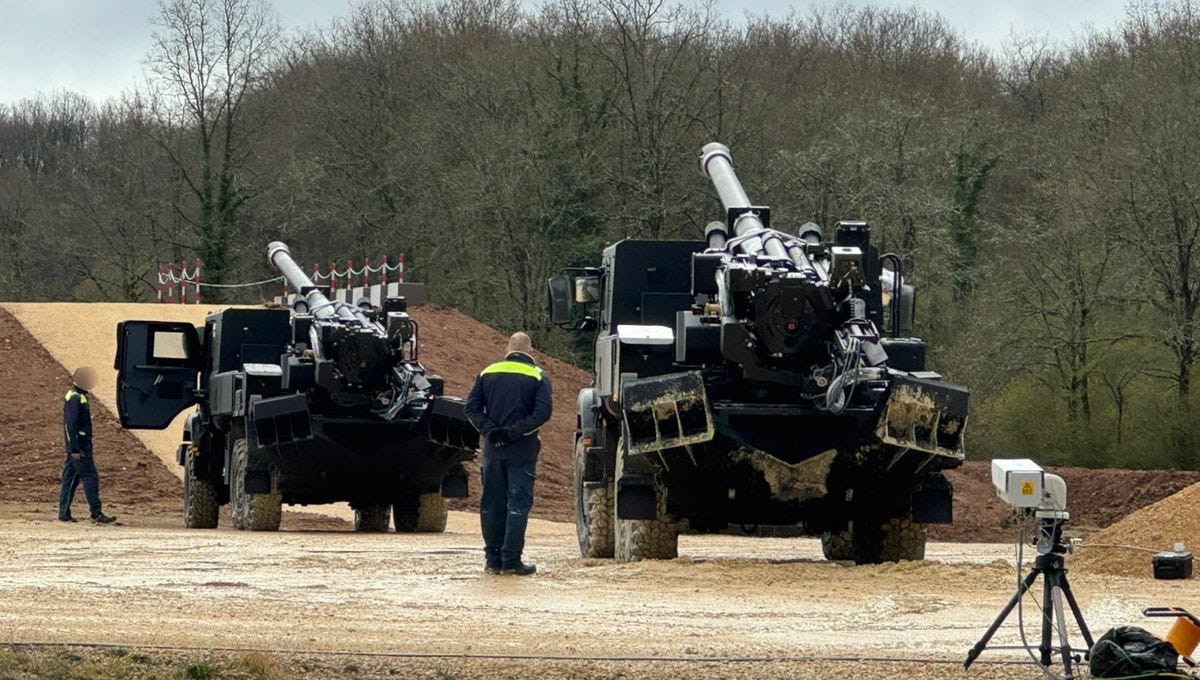
Instead, the ministry should agree what will be measured and what happens if the system passes: a paid integration programme, an operational field trial or an order. Production acceptance trials are also crowding the queues, as observed at the French DGA’s Bourges site where CAESAR howitzer test firings have doubled in four years, using staff that development teams need.
Build campaigns, not directories
Nonetheless, there are early signs of a better approach. Companies using the Sēlija range in Latvia describe a state partner that found a representative site quickly and removed unnecessary paperwork. NATO now uses the range for high-speed interceptor and electronic-warfare trials. To extend this approach, Europe should choose a handful of mission-ready ranges, publish what types of tests each can support, what they cost, when they’re available for first and repeat tests, and appoint a case officer to assemble the permissions..
Cross-border campaigns would also benefit from reusable paperwork. Participating countries could agree to carry forward the safety case, configuration record, materials inventory and environmental plan from one test to another. This would amount to a campaign passport: export and safety decisions would remain national, but the unchanged safety case, configuration record and environmental plan would travel with the system.
If within a year or two from now the aircraft founder I spoke to is still shipping his system from Europe to South America and back for testing, Europe’s rearmament plans will have fallen short of turning the next-generation autonomous systems we need into usable deterrence against the next war.

The queue itself can become a financing test. A startup may have to raise another round simply to survive until its work is assessed, giving the timetable a say in ownership and bargaining power as well as survival. That cost belongs in the procurement discussion too.
Thank you for writing!