



In October alone, Russia launched more than 6,300 long-range drones at Ukraine, underlining the need for air defenses that can withstand repeated mass attacks.
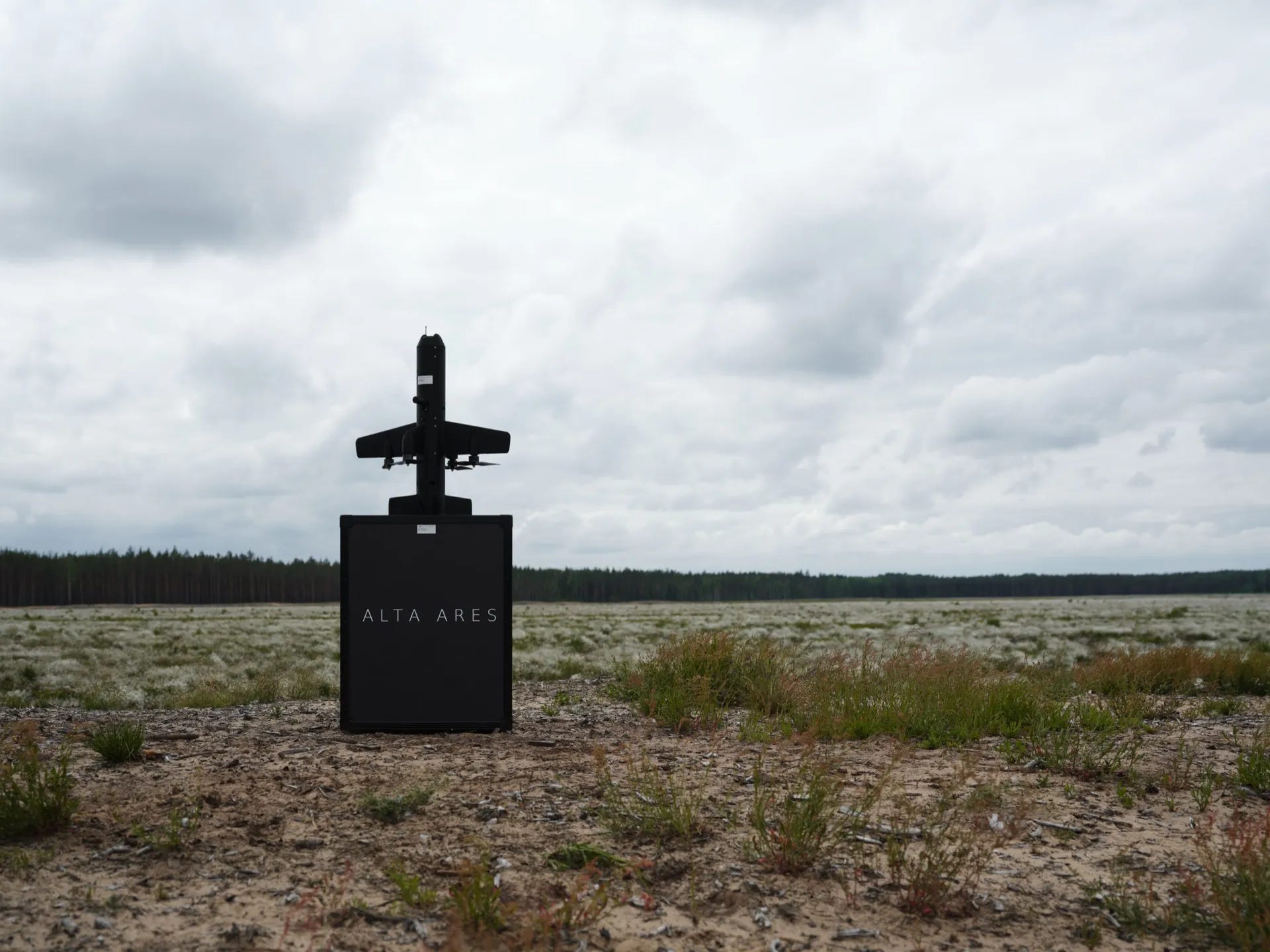
When we led Alta Ares’s $60M Series A a few months earlier, its close work with operators in Ukraine was central to our conviction. Translating warfighter requirements into effective, affordable systems is in the company’s founding DNA. In air defense, that means detecting incoming threats, tracking them as they move through contested territory, helping operators decide how to respond and which system to launch, and guiding interceptors to neutralize the targets. Every step has to work with increasing levels of autonomy as the adversary changes tactics, at a cost that allows forces to sustain that defense.
Winning a major procurement framework is one of the most consequential milestones for a defense company. Clearing this gauntlet means passing a military customer’s technical and commercial evaluation and securing a route to sell its systems broadly. Now, Alta Ares has cleared this threshold.
Six lots in NATO’s counter-drone framework
Alta Ares has now been selected for NATO’s counter-drone marketplace, part of the alliance’s Drone Edge initiative. Allies have committed to investing more than $40 billion in counter-drone capabilities over five years.
Importantly, the company announced it had won six of the 16 lots, the largest number of any supplier, joining Northrop Grumman, Axon, OSL UK, and Quantum Systems in NATO’s catalog. Its awards cover both area defense and border protection, and Alta Ares is the only supplier selected for area defense in all three configurations: fixed installations, systems that can be transported between sites, and systems that operate on the move.
From NATO trials to framework contract
Alta Ares is already familiar to NATO. In March 2025, the company won the alliance’s Innovation Challenge for an AI system to recognize, detect, and identify aerial threats. The competition focused on glide bombs used against Ukraine. By June, Alta Ares and other participants were testing their systems in France with NATO and the French defense procurement agency, alongside ongoing battlefield use in Ukraine.
We have written before about European procurement and how difficult it can be for a young defense company to turn government interest into orders. Under this framework, allied countries can buy the selected systems directly from NATO’s catalog without running another tender. Removing that obstacle is the right way to get new capabilities to the battlefield and beyond.
In our letter from Munich, we argued that Europe needs to move beyond emergency purchases and build the capacity to sustain its own defense. Interceptors are consumed and must be replaced. Manufacturers need predictable demand to invest in factories, suppliers, and skilled workers. Repeated orders and longer-term commitments can turn procurement access into a durable industrial base.
Building a global leader in autonomous defense
Alta Ares is building a family of systems around shared AI software, with the ambition to apply what it has learned in air defense to a broader range of missions. Its commercial partnership with Airbus integrates its software and interceptors into the group’s battle management systems. MBDA is also working with the company on interception solutions for Shahed-type threats. Alta Ares is expanding production with industrial partners and plans to establish manufacturing in customer countries for significant orders.
We believe Hadrien, Stan, and the team can build a global leader in autonomous defense from Europe. Coming just months after these partnerships, the NATO award gives Alta Ares a direct route to more allied customers as it scales production. Our ambition is for Alta Ares to become the company allied governments turn to as they rebuild their defenses for autonomous warfare.